In California, a community college professor creates a class for day laborers in a Home Depot parking lot.
Saturday, July 2, 2016

Money, Money, Money.... Teaching and "Making" with or without them
My brother and I grew up playing with Lego all the time since it was made by simple solid plastic blocks. I remember the excitement when we had the first hollow pieces that were allowing to create some sort of articulation. Back then we did not even fathom the possibility of robotic Lego able to be complete action based on kids generated code...what a fantasy!
 |
| My brother at 10 poses proud next to the robot he build using simple Lego blocks. 25 years later he published this picture in the first page of his robotic engineering P.h.D. thesis. |
In schools across the country and worldwide robotic courses are offered to all grade levels, using programmable Lego robotics. What an amazing tool for learning in a playful and engaging way, isn't it?! The only down side is the cost that this material has. Yes educators can hunt for grants, when available, or engage in creative and extended fund raisers using tools such as DonorChoose.org or GoFundMe.com still not always these money show up and in those cases there is just a lot of disappointment and great creative ideas are put back in storage for that "one day" in the future... What a sad alternative, isn't it?
This summer I had fortune to participate to a 3 workshop on advanced paper circuitry offered by Jeannine Huffman and David Cole organized by AKTeach, Kodiak Island Borough School District. This workshop was following up a year of training with paper circuitry building up to this advanced level requiring coding and soldering a microchip to a paper circuit for activating an hand made (cut and colored) paper robot.... yes a PAPER ROBOT!!!
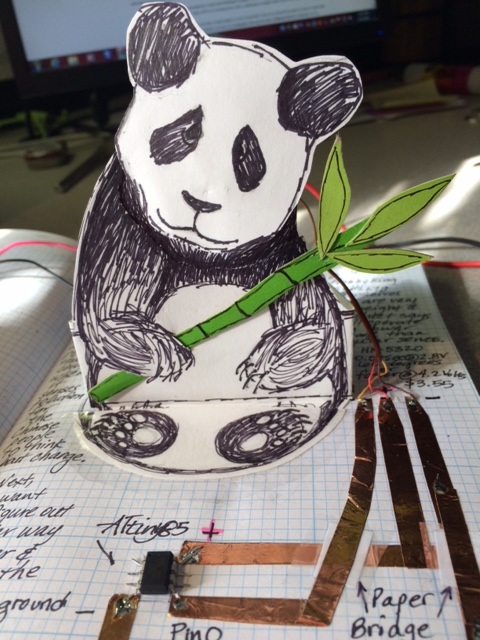 |
| Jeannine Huffman's paper robot. |
Now the point I am trying to make is not that expensive technology is bad and cheep technology is good, but that you do not need to have a lot of money for offering students a creative, engaging, and technology rich learning experience! My personal approach is plan for no money and celebrate for whatever you can get!
In Alaska these days school districts are quite tight in finances, so this option of using simple and very low cost material is very appealing to teachers and administrations. I am personally planning to try to use a combination of fund raisers web tools such as DonorChoose.org and GoFundMe.com for purchasing the low cost material, so that I could use these money for offering this type of learning experience to a much larger number of students.
Friday, July 1, 2016
Social Media and Makers Movement in Classrooms

We are in the second haft of the second decade of the 21st century and Social Media are still a frightening reality in many classrooms, we can't deny this, however often the reason for this fear can is that educators of all levels, from teachers to superintendents, do not really know what to do with them and how to handle these tools in a safe environment for their students.
I have taught in schools in which many classroom doors post clearly "Cell free zone", "No Electronics Allowed", and so forth. In my classroom I have always had a big sign "Bring Your Own (Electronic) Device", and next to it a guidance of rules for the use of them. In my opinion it is important to encourage students in embracing technology in a mature and responsible way. A smartphone is such a powerful tool and has great potentials when used in the correct way in a classroom... this is why it is important to teach our students this very valuable skill.
Smartphones are the most common and efficient tools for using Social Media, and let's be honest at least 95% of our students have them in their hand for most of their waking time of the day. In spite of this, our students rarely realize that they could use these tools for "learning"!!! Did you have had students asking you some bizarre question? Absolutely, right! Now how many times you have replied "Google it and share with everyone what you find."? It is amazing how kids often do not think right away of the potentials of this small device they "pet" all day long.
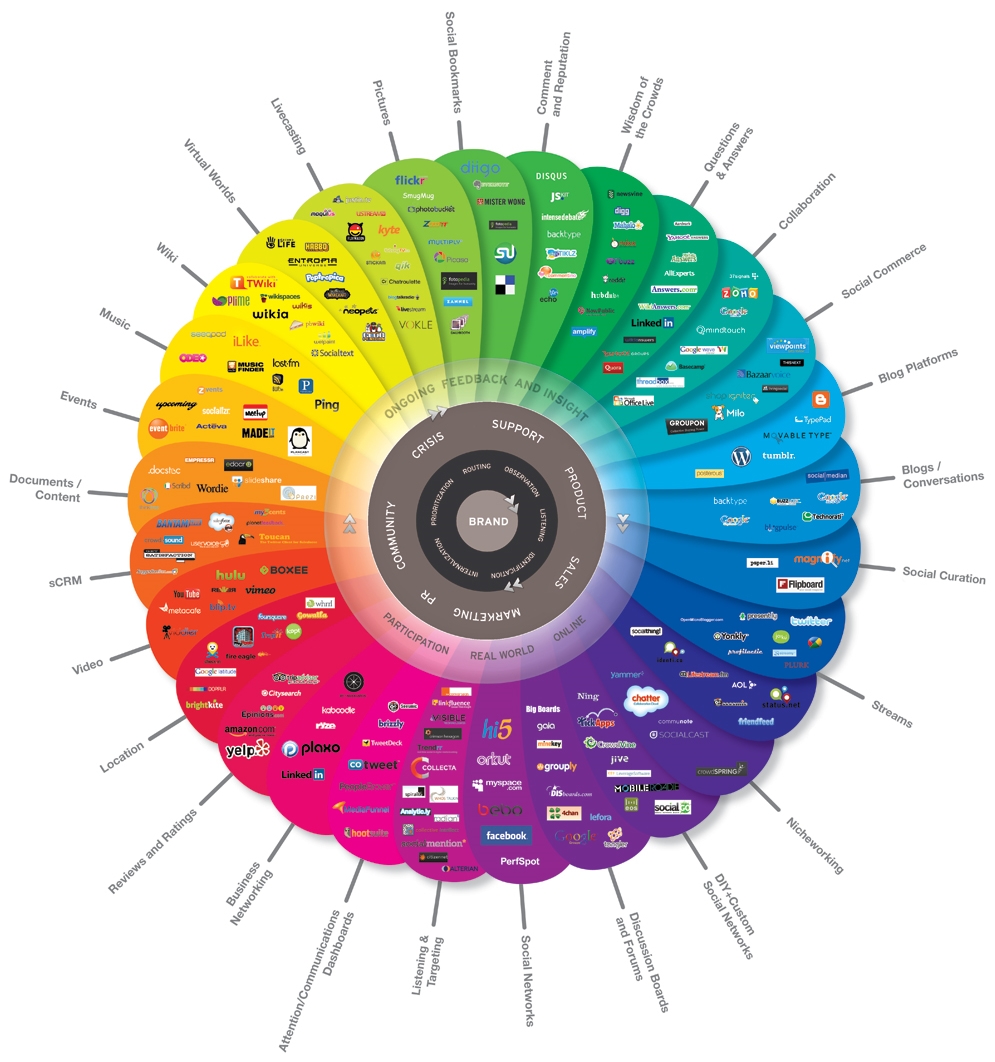 I really like the idea of Social Constructivism proposed by Dr. Richard J. Light of Harvard School of Education, stating that learning happens more effectively when there learners interact with other learners. a couple of years ago I read a few scholar articles presenting studies made in both secondary and post-secondary level education institutions analyzing differences in learning outcome of students who did and didn't use of social media in their classroom environment. The results were consistently in favor of the use of Social Media.
Let's now consider the great motivation boost that Social Media can offer to students when they can share with others their ideas and the what they create... what a powerful experience! Think of the opportunities they could access to if they were given the opportunity and the guidance for using for instance Twitter for connecting directly to they favorite authors, scientist, doctors, artists, engineers, asking questions and sharing their ideas and products... the potentials are really unlimited!
Educators have always to deal with budgets way too small for their dreams, however sometimes Social Media can be a way to reach out far and high at a low or no cost and at the same time it can offer the opportunity for marketing good ideas and products, creating a potential revenue that could support further "exploration". This is a process that dos not happen overnight, but I believe that it is very important to initiate and promote for the good of our students, if we really what them to be successful 21st century global citizens!
Tuesday, June 14, 2016
How Writing by Hand Benefits the Brain

Over the years I came upon students and parents who disagreed with this requirement for an online course and they challenged this type of assignments. I have always replied that the use of handwriting is very important for supporting and promoting a well rounded acquisition of a new language code since it stimulates the brain in a unique way.
I am glad that now I have some more evidence for supporting my stand on this specific matter.
The Lowdown on Longhand: How Writing by Hand Benefits the Brain: Studies show that note-taking with pen or pencil is critical to processing and representing information, something that students lose when tapping on a keyboard.
Subscribe to:
Posts (Atom)